Myopia, also known as nearsightedness, is becoming one of the most common vision problems in children worldwide. What used to be a minor inconvenience is now a growing public health concern.
Recent research published in the Journal of Global Health confirms something powerful:
Lifestyle — especially time spent outdoors — plays a major role in preventing myopia.
What the Latest Research Shows
A large international study analyzing over 380,000 children found:
- Children who spend more time outdoors have a 25% lower risk of myopia
- Even 1–2 hours per day makes a difference
- 2+ hours daily offers meaningful protection
- More outdoor time = even greater benefit
This is one of the simplest and most effective prevention strategies we have today.
Why Is Myopia Increasing So Quickly?
Modern lifestyle is the main driver:
- Increased screen time (phones, tablets, computers)
- Long hours of near work (reading, studying)
- Reduced outdoor activity
- Academic pressure starting at younger ages
In cities like Mississauga and across the GTA, we are seeing children develop myopia earlier than ever before.
How Outdoor Time Protects Vision?
Natural light helps regulate eye growth in several ways:
- Stimulates dopamine release in the retina
- Slows down elongation of the eyeball
- Reduces strain from constant near focus
This directly reduces the risk of developing myopia.
How Much Outdoor Time Is Enough?
The research suggests a practical target of at least 2 hours per day
This can include:
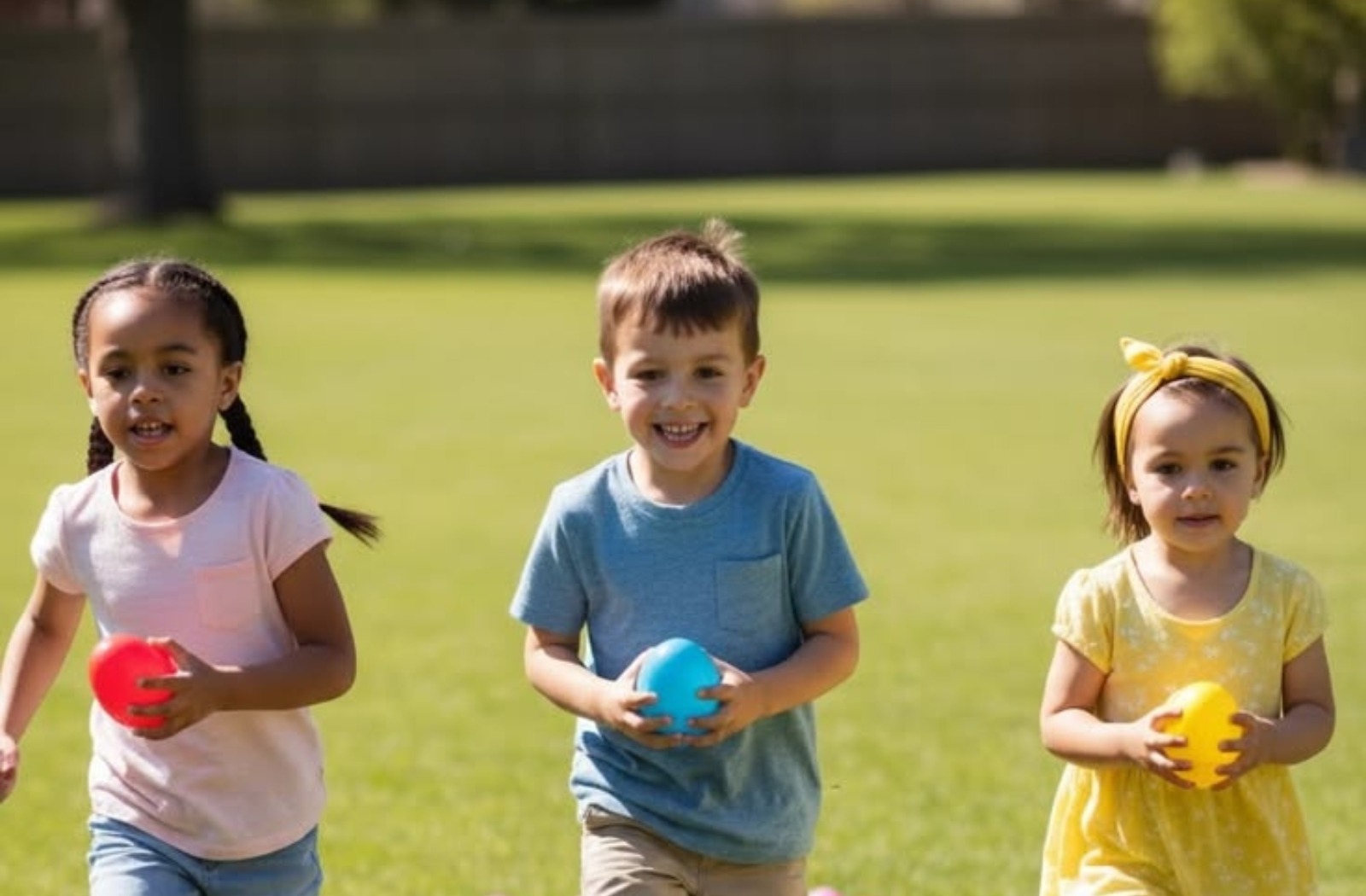
- Playing outside
- Walking to school
- Outdoor sports
- Family time in parks
Even small increases can make a difference.
Why Early Detection Matters
Myopia is not just about needing glasses.
Higher levels of myopia increase the risk of:
- Retinal detachment
- Glaucoma
- Myopic macular degeneration
The earlier we detect and monitor changes, the better we can slow progression.
What Parents Can Do Today
Simple, effective habits:
Encourage outdoor time daily
- Apply the 20-20-20 rule for screen use
- Limit continuous near work
- Ensure proper lighting when reading
- Book regular comprehensive eye exams
- Our Approach at Arc Eyecare
At Arc Eyecare, we take a proactive approach to children’s vision:
- Advanced eye exams (not just a basic check)
- Monitoring eye growth and progression
- Early detection of myopia risk
- Personalized recommendations for each child
We believe prevention is just as important as correction.
When Should Your Child Have an Eye Exam?
Children should have regular eye exams even if they don’t complain.
Signs to watch for:
- Sitting too close to screens
- Squinting
- Frequent headaches
- Difficulty focusing
Book a Myopia-Focused Eye Exam: Weekday mornings are often quieter — perfect for children.
Walk-ins welcome
Flexible booking available
At Arc Eyecare, we don’t rush exams. We take the time to truly understand your child’s vision.